This page contains reports on Support for Young people and Education; Development of a Water Bore Hole; Work with Fistula Girls
Action for Children and Young People
Franciscan Aid has worked alongside ACYP for many years. This organisation supports children and young people, usually orphaned, who are suffering due to HIV/AIDS. The work of ACYP covers schools, communities and smallholding/farms. There is a good communication between ACYP and Franciscan Aid, facilitated by the hard work of the Franciscan project link. These are just some examples of the support given:
Scholastic Materials for 53 primary and secondary school orphans. Food for 79 families starving due to crop failure caused by climate change making rainfall unreliable. 210 treated mosquito nets to save the lives of 470 orphans. To give 360 HIV suffering orphans access to necessary medication for 3 months.
To give 56 malnourished and HIV suffering children food for 3 months. To immunise children under 5 against killer diseases. To give drug adherence support to 296 critically suffering children.
Purchase of pigs or goats for 22 families headed by a teenage sibling or a grandparent, the parents having died.
The children and old people will raise the animals and breed from them to get food for themselves and sell the progeny so they can pay for food, education and medical care etc.
Provision of education equipment for 54 needy children, in primary or secondary school;
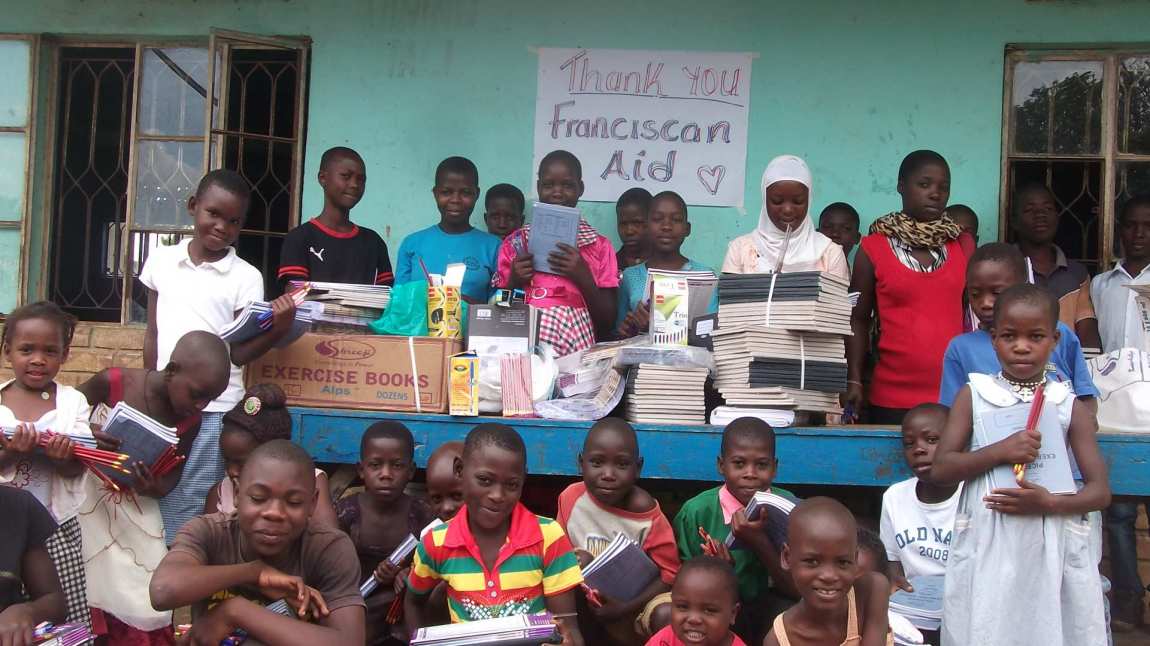
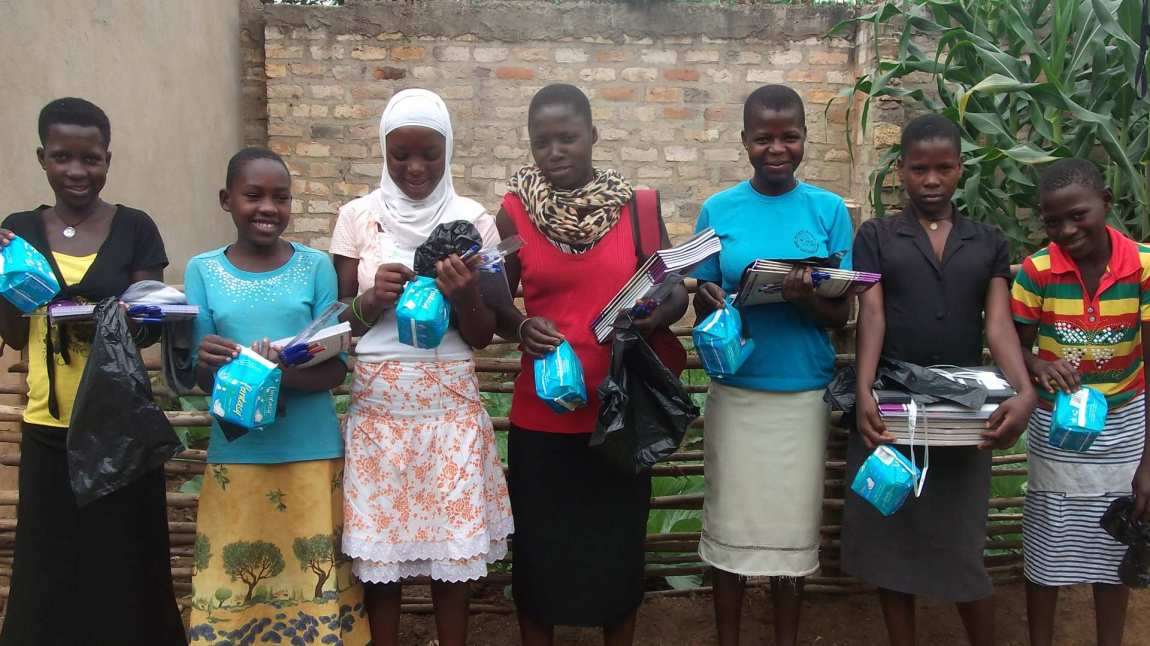
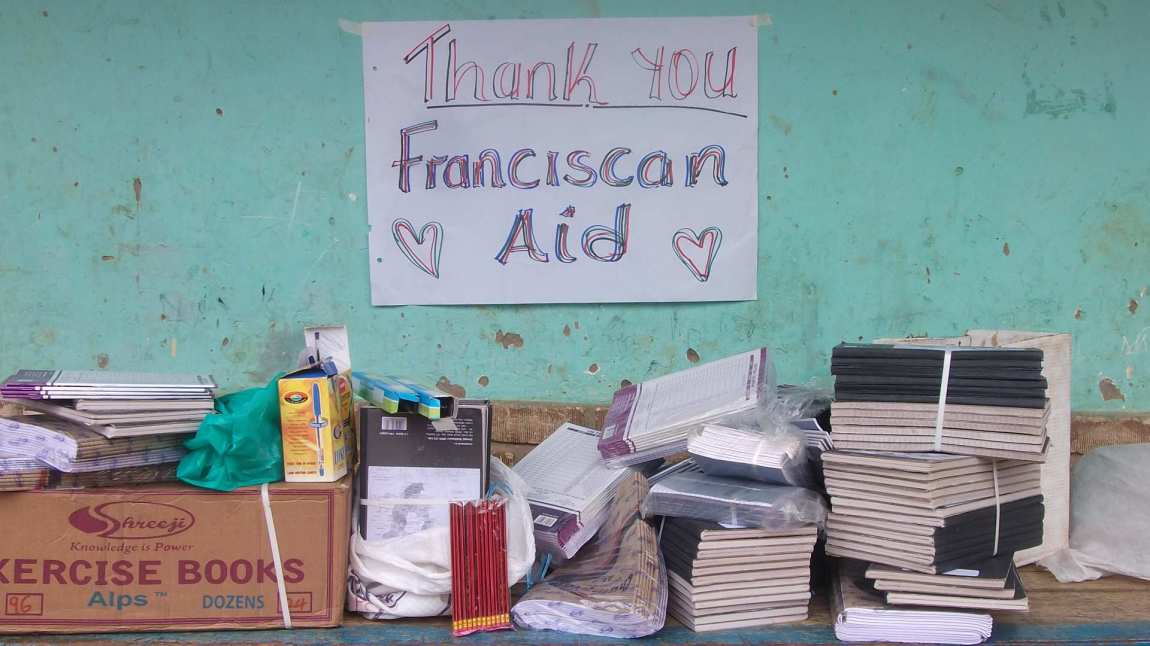
namely, exercise books, pens, pencils; uniform and school bag; school meals, mathematical set,; study trip/field work; science kits; textbooks; final examination registration. They will be able to go to school and get an education. Education is free in Uganda, but the basic equipment is not, and without it children cannot go to school. 54 orphans or needy children, many of whom have HIV/AIDS
Food supplements for 60 HIV/AIDS orphan children for 4 months. Water Guard kits for 100 families to provide clean drinking water for a year.
60 orphans suffering with HIV/AIDS who are too malnourished to benefit from the anti-retroviral drugs provided by the government. 100 families who do not have clean drinking water.
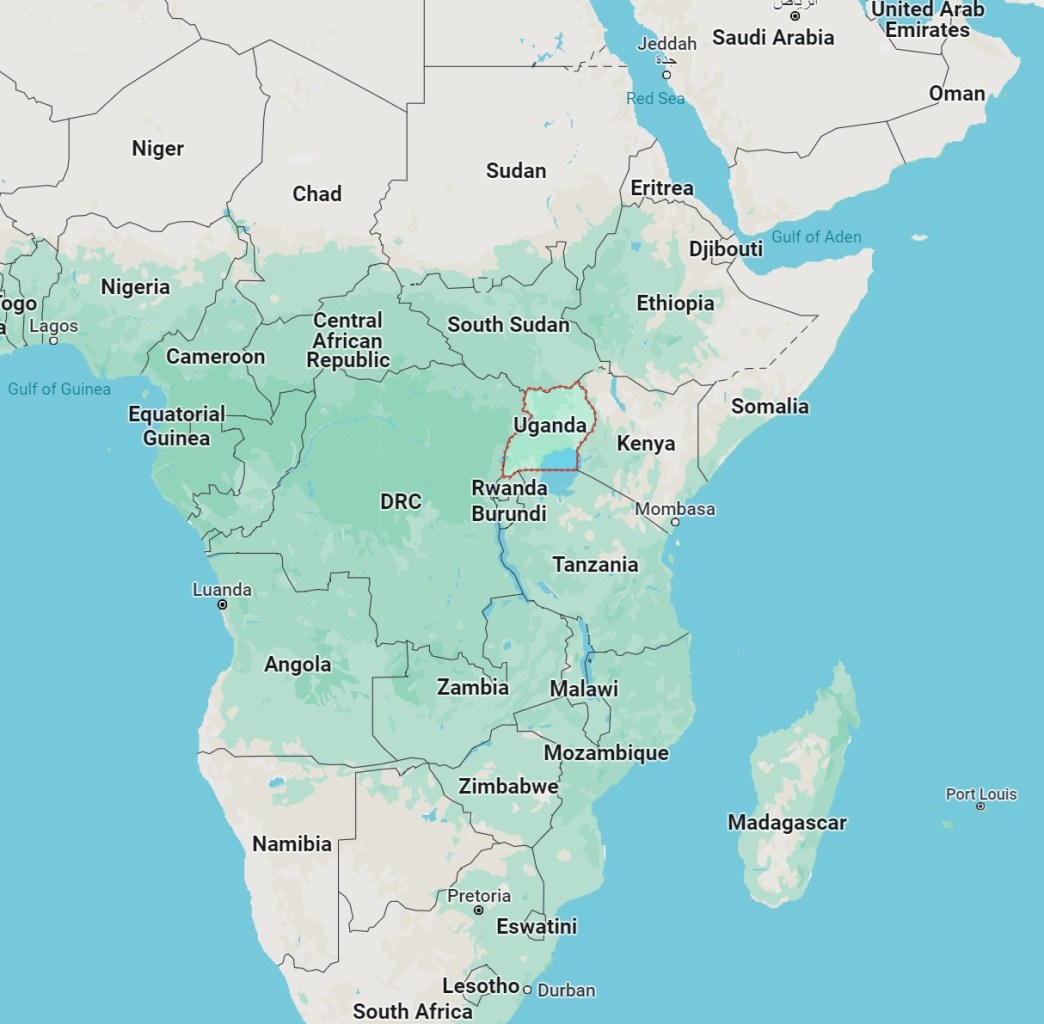
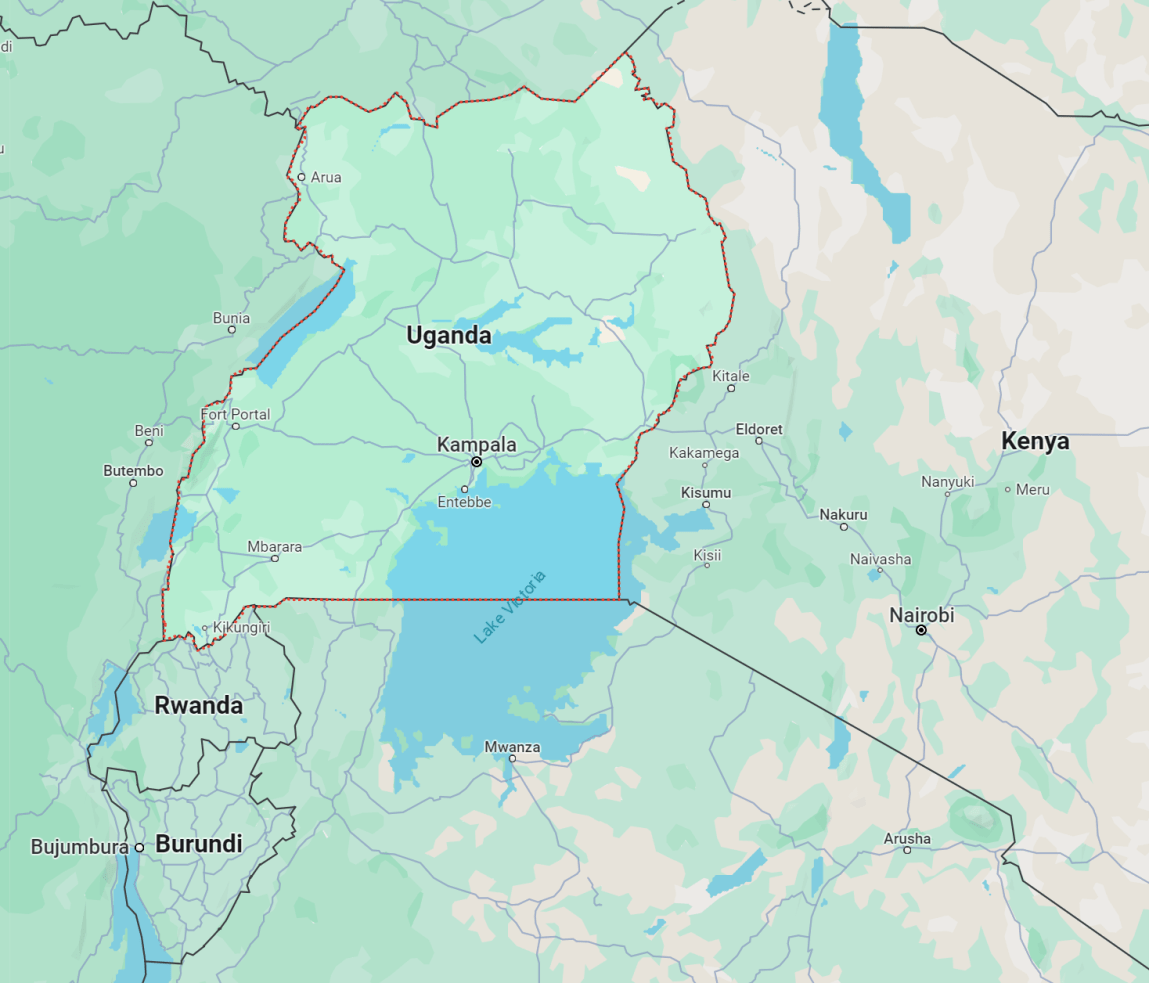
Again in 2021/2 application was forwarded for support of medical supplies and water purifiers towards a project in Masaka.
Here are examples of some recent applications:
In Uganda, we received a request for
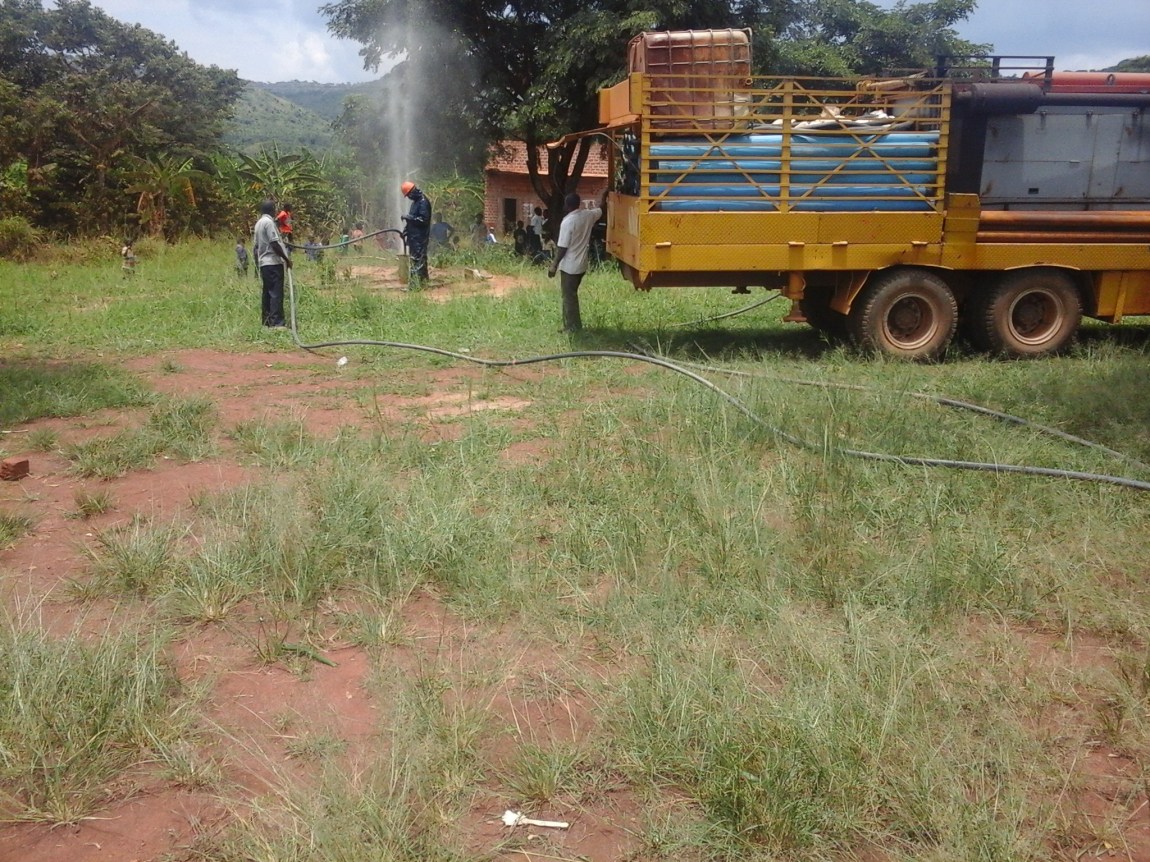
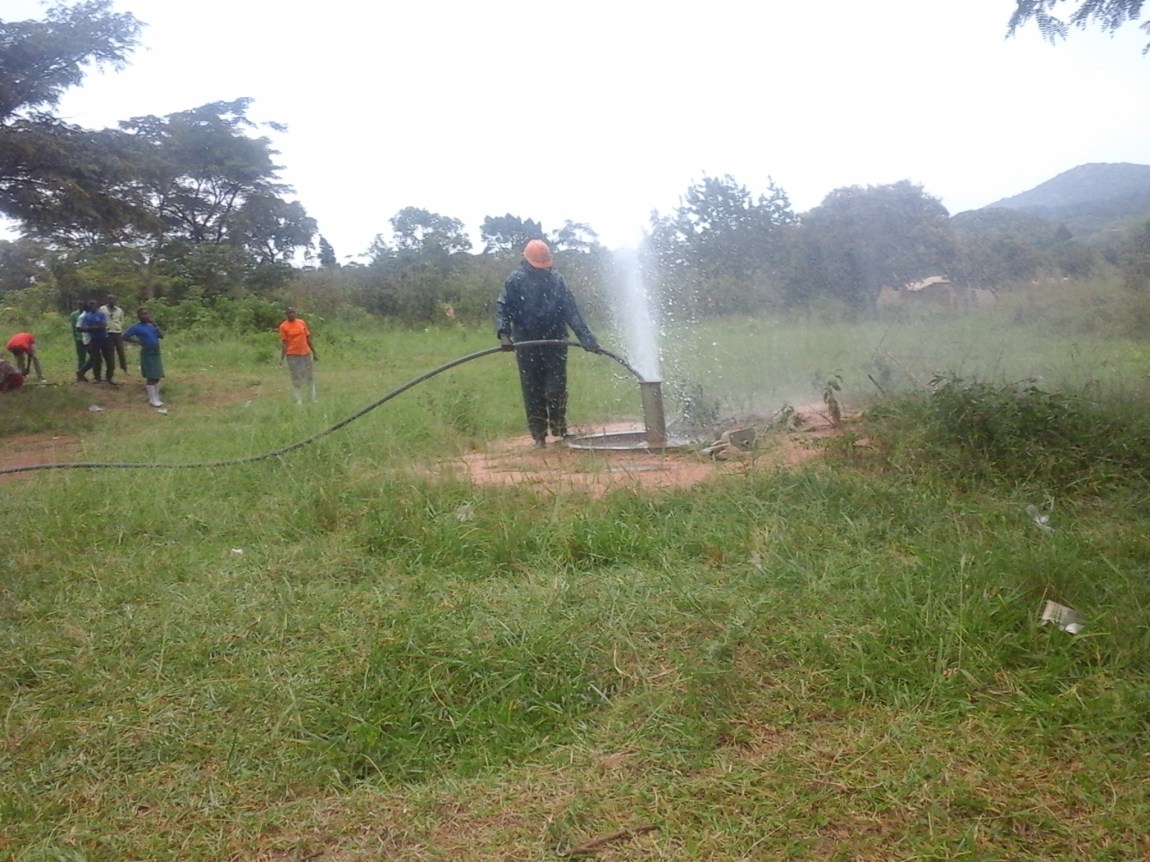
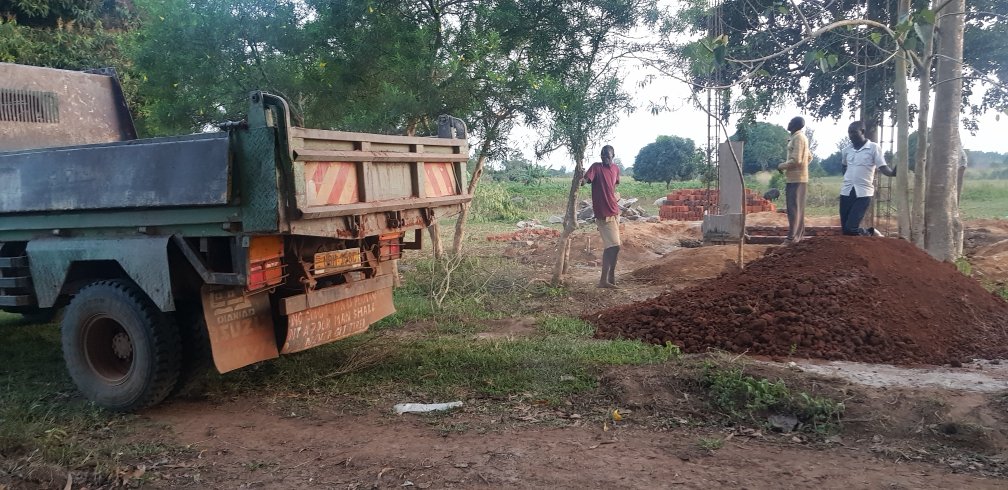
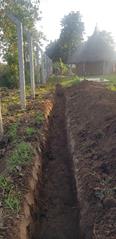
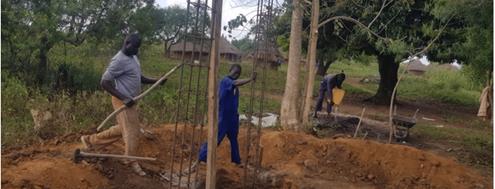
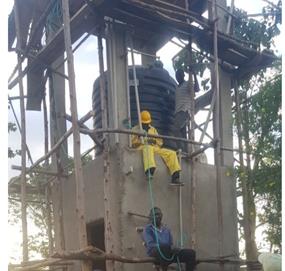
money to enable a group to purchase the following: A solar pump, Lightning arrester, Poles and other fencing supplies, Chain link and skilled labour.
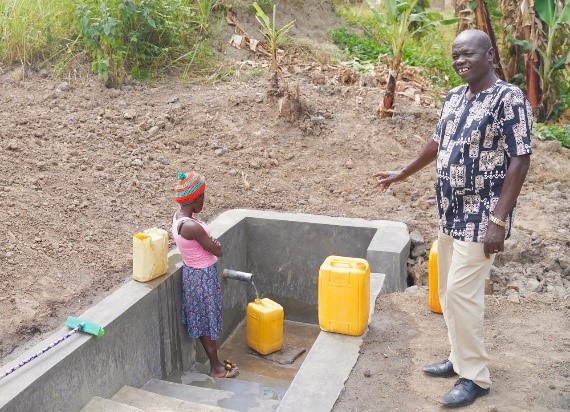
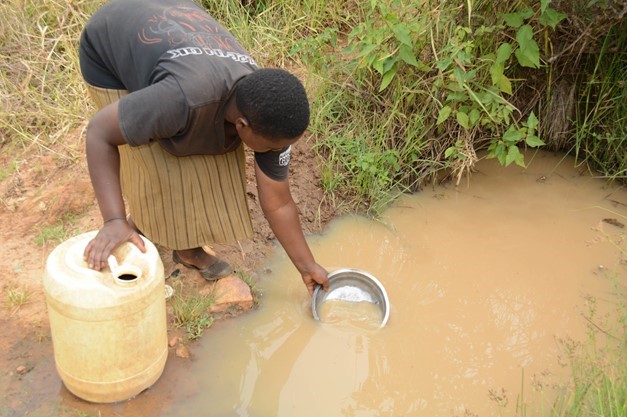
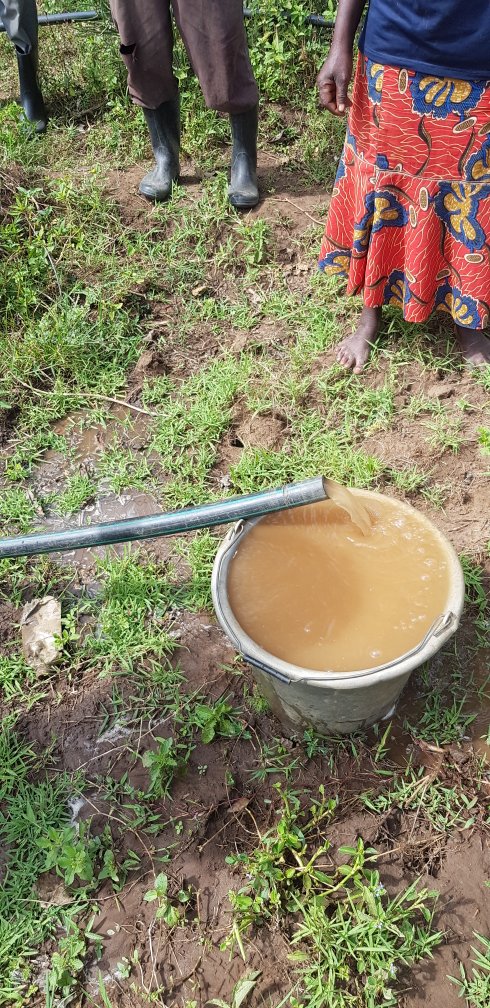
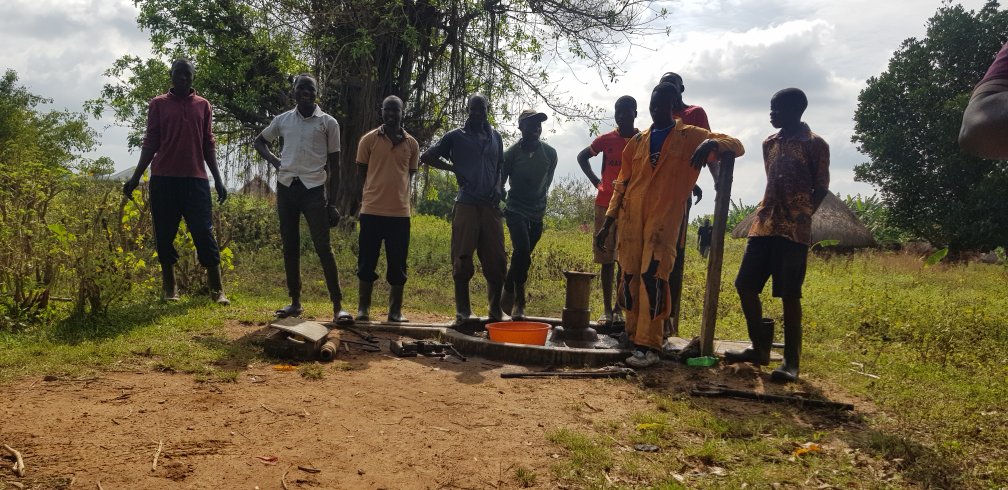
The applicant explained that “All those items are meant to replace the poor rusting pumping system that has spoiled water and made water smelly to the extent that the only bore hole nearer to the community is no longer usable. Because of that, children and women are at a risk of walking for a long distance looking for safe and clean water.”
The application gave details of those who would benefit:
The community of Kaloko, and her neighbours outside them especially children and women. Those vulnerable members who had been spending much money on treatment due to water borne diseases from contaminated water shared by animals and humans will be saved from that and they will be provided with safe, clean and Secured water from unnecessary tampering.
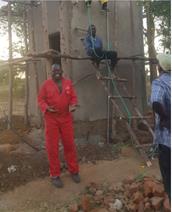
Mothers would have kitchen gardens around their houses. Youth would be doing horticulture for their incomes instead of being idol (sic) and disorderly. This work is currently ongoing, and we were pleased to be able to meet their request for help with price rises: We always welcome photos and reports from those who benefit so here is some of the latest news from Uganda.

Fistula Girls
Since 1999, Dr. Will and Mrs. Linda Chamberlain have been working in Uganda, specifically for the benefit of marginalized women. Using their own financial resources, they began their work in Kapchorwa, supporting the education of young women who wished to remain in school rather than be circumcised and married at an early age.
Through living and teaching in Uganda for a period of time, the Chamberlains learned of other marginalized women in the Kapchorwa community. Particularly heart-breaking were the stories of women who suffered from FISTULA, caused by obstruction during childbirth or rape at a young age. Due to incontinence, these women were often shunned by their families and left to live a life of shame and isolation.
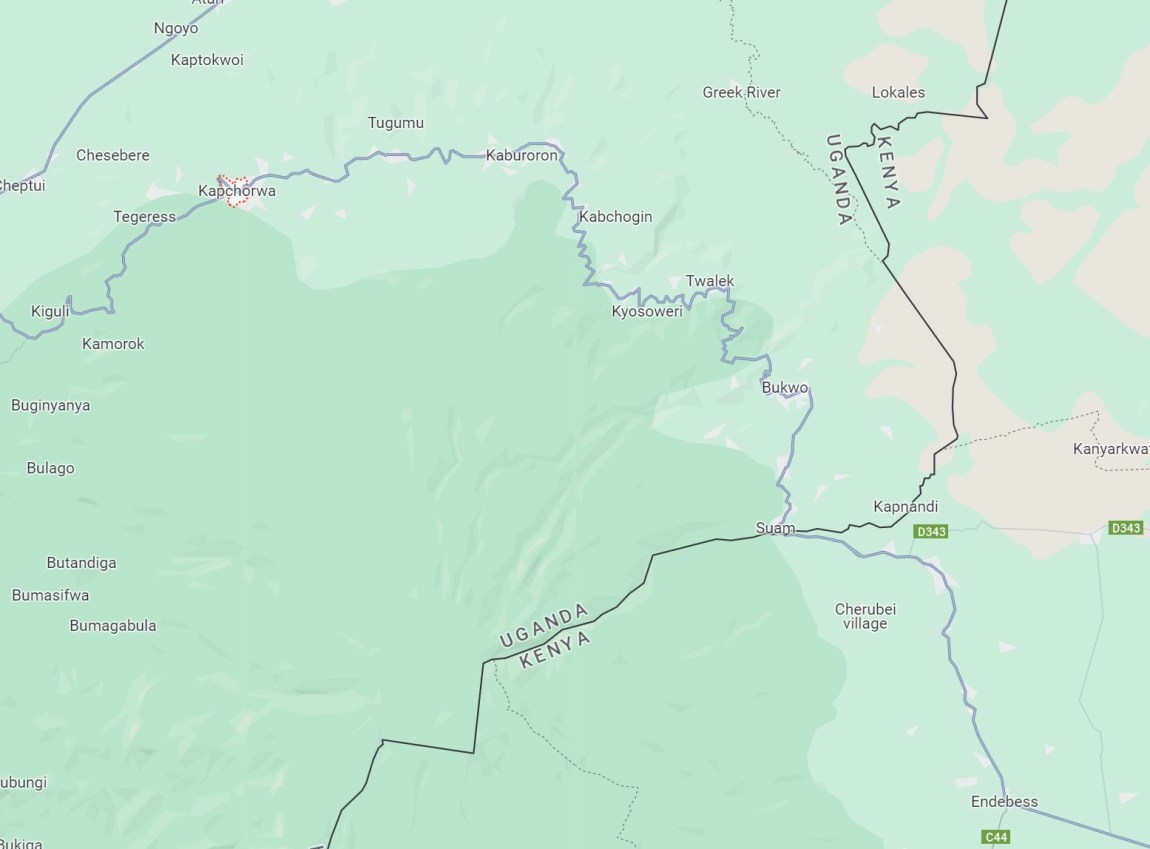
During the initial journey to help these suffering women, August 2011, the Chamberlains accompanied a group of five FISTULA patients from the Kapchorwa region to the Kitovu Hospital in Masaka, Uganda. There they were greeted by Sister Maura Lynch, head surgeon, and an Irish Catholic nun, from the Medical Missionaries of Mary.
During their visit the Chamberlains presented Sister Maura with a blanket that had been assembled with 11 x 11 knitted and crocheted squares by women and men throughout the United States. Upon seeing the blanket, herself a knitter, Sister Maura said “Why don’t you bring your friends over here and teach these women, the Fistula patients, how to knit?” The blankets serve to keep the women warm and secure at the hospital and then for later use at home.
During a visit to Uganda in 2012. Mrs. Linda Chamberlain was struck by how few of the women were able to write/print their name. The head local surgeon, Roman Catholic Sister Maura Lynch, at the Kitovu Hospital suggested that if materials could be provided, a classroom setting would be arranged to teach the women some basic skills while they were at the hospital. As the women need to be at the hospital for a minimum of 3 weeks for surgery, it is believed that much could be accomplished.
The fistula repair surgery is performed during 4 surgical camps per year, each of which lasts 4-5 weeks. The women come from near and far, sometimes walking or riding in the back of a truck for more than 30 miles. Approximately 90 women receive surgery of which at least 70 lack basic academic skills. Given the possibility of initiating a classroom, it is fair to say that about 280 women a year would leave the hospital not only surgically repaired but with basic skills learned at the hospital during their stay.
Franciscan Aid was asked if funds could be allocated for help in providing teaching equipment, in 2013.
‘In October 2013, we approached our visit to Kitovu VVF Ward with a twofold purpose, knitting and teaching. Working with the women, many who were still very young girls, we noticed a wave of enthusiasm. We learned that several had received some schooling but due to early marriage or rape, resulting in pregnancy and VVF, they were no longer able to continue their studies. Two of these girls, caught our eye immediately as their faces beamed talking about their schooling and the hope that they would someday be able to return to their studies.’
Franciscan Aid were able to help support the girls:
The two girls had encountered physical deficits early in life which resulted in incontinence. Following surgery one of the girls very much wanted to return to her studies, which she had to leave due to her situation. She reached Form Senior 2 when she stopped her schooling. Her dream was to start a small business (ie, food delivery or similar). The other girl, wanted to be able to continue her education, having returned to school a few years before, with the help of a Franciscan Aid grant and other matching funds. She was a good student and happy to be in school again. She wanted to be a hair dresser.
After a 2 year academic struggle in a rigorous academic programme, it was decided to transfer them to a Vocational School which pleased them tremendously and in which they were able to succeed. The story continued with graduation from Vocational School, emphasis on Hotel Management, in late 2019.The two Uganda girls, who after repair surgeries for fistula problems now will be able to complete their education in Masaka and pursue jobs in Uganda.

 Franciscan Aid