
Franciscan Aid has been actively involved with many projects in South Africa. These are some of those communities and schools we have been able to support:
Reports on: St Francis Outreach; Grace School Siyabuswa; Lithuba Lakho Orphanage; Johannesburg; 123 Movement, Cape Town and DeVilliers Primary School Robertson Township. See below
Saint Francis Outreach Trust
The Trust has 2 foster homes in Simon’s Town, Western Cape. These have been visited by various Minister Provincials from the European Province and Africa Province as well as interested and supportive Tertiaries. Franciscan Aid has helped support the Trust since the first home opened in 2014 and is still in regular contact.
In 2014 6 Children who have been orphaned, abandoned or are affected by HIV/Aids, were able to live with their foster mother in a house built by the trust. They live with their foster mother, whom the trust employs, within their community – under the close supervision of the trustees.
Franciscan Aid were able to support with furniture for the home and school uniforms etc.

Then in 2017 Franciscan Aid were able to fund equipment for the second foster home for orphaned and abandoned children, namely refrigerator, washing machine, Stove, and Microwave.
Another request from the homes explained:
‘South African schools do not (or sparely) provide stationary or books to the students, nor are the school free. Most schools insist on the school uniform. 2 of the schools our children attend expect the uniforms be bought at the school, as it is not available somewhere else and therefore much more expensive than in simple stores. We kindly request that you support us in the purchase of stationary and school supplies and the purchase of a new uniform, especially for one of our girls who starts High School next year. The other 7 kids will need some add-ons to their present school uniforms or replacement items’
Other challenges were faced: ‘Changing to a good Primary School is quite difficult for the children as their English is quite limited (having spoken Xhosa mainly in the township school until Grade. We would like to help them with participating in the Kumon teaching method (extra-curricular Assistance to improve their school performance) and continue with the employment of a remedial teacher for the children of both houses (5x a week) The trust is in the process of building a school room – a Learning Centre for the children of both houses. We will need tables, chairs, shelves and cupboards, blackboard and stationary/ teaching material for this space.’ Franciscan Aid helped towards funding these needs.
The Homes reported back:
‘ Our teacher, is focusing on establishing firm foundations for the children in both literacy and numeracy. They have big gaps in skills and knowledge and he is going back to the basics where necessary so that the children build the confidence they need to tackle more advanced tasks. He reports that the children are making slow but steady progress, both academically and emotionally. He is taking great care to engage with each one on the basis of individual needs and we are sure that this gentle but firm intervention will bear fruit, though naturally it will be a long process.
He is also liaising with the schools and teachers so that he is in tune with what the teachers expect with regard to homework and assignments, because the children need guidance and help with their current school work as well as the foundational work.’
In their report in 2018:
‘ All our children came from sad or abusive backgrounds and the shadows of the past cannot just be wiped away. We had not realized the extent of their trauma and how it impacted their lives. For instance a child in survival mode cannot easily concentrate on school matters. Gradually we see positive changes through ongoing assessments and regular counseling sessions for some of our kids. One of the girls has totally surprised us. From being a problem child, and working with a counselor, she accelerated in her school performance becoming very responsible and organized with her homework and excelling in sports – even representing the school at a special sport’s event. All the children have gained more confidence. It is lovely to hear them laugh and play with each other in the back yard, on entering the home.’
Franciscan Aid were able to fund bedroom cupboards in 2022 and support the transport needs to get to school.
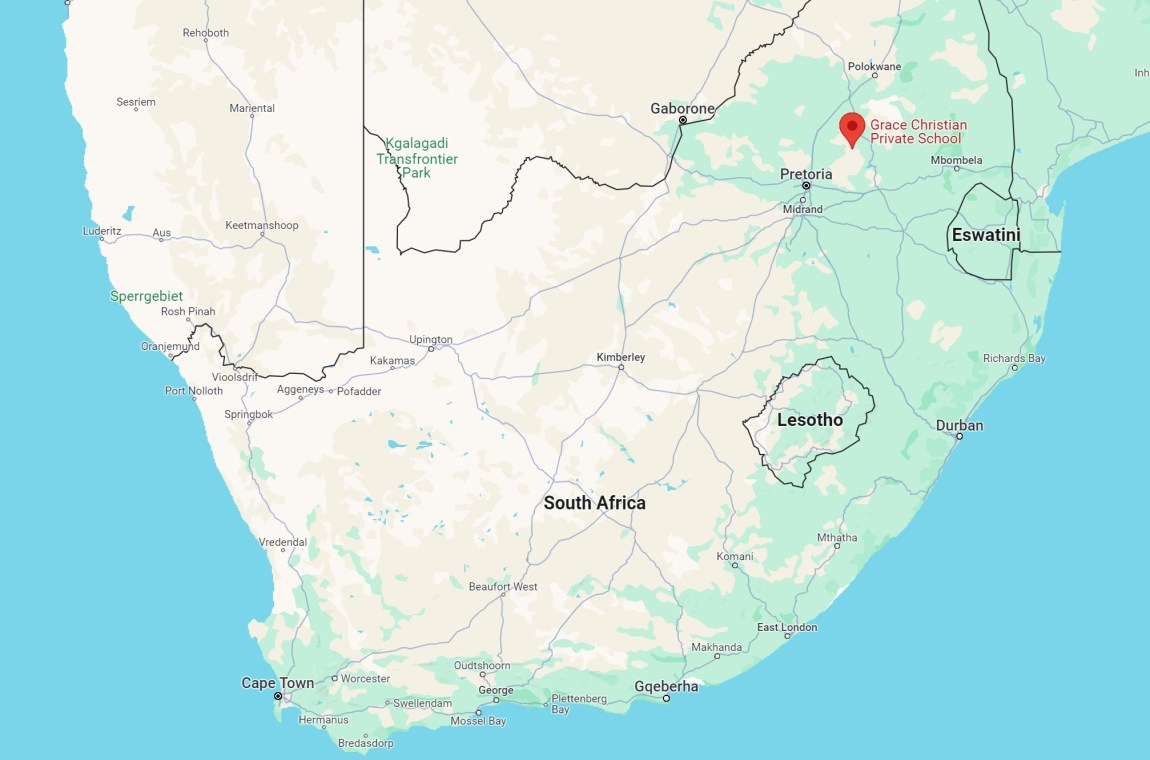
Grace School, Siyabuswa, Mpumalanga
Franciscan Aid has been supporting the development of this school since 2014. Beginning with reception classes needing Furniture (desks, chairs, cupboards & shelves), Playground equipment, Teaching Aids and Toys.
The school stated ‘The Reception class did not have proper facilities for their age groups and this will improve the environment in which they spent most of their time in. Learning facilities will improve thereby enhancing the conditions of teaching and learning. This will give the children a good star to their education life. Children will have access to a well-equipped playground and toys which will improve their learning skills at such an early and important stage.’ Further equipment was funded following a second application, including a kitchen stove, in 2017.
The School grew and developed. By 2017 they were able to report:
‘This year we have around 120 students, thirty of them are joining us for the first time; we wish them all the best. The boarding section has fifteen students this year, we are planning to increase that number as soon as the current renovation of the new residence building is completed. We are delighted to have these boys in our boarding section, and we will be sure to provide a loving home for them. This year we will also start a second class of special education for those students who have learning difficulties and can’t keep up with regular classes. Last year’s class was a successful effort: through the hard work of our dedicated teachers, a number of students have developed academically and will join the regular class at the beginning of September. We want to keep the hopes and expectations of those in our care, high. Their future depends on us’.
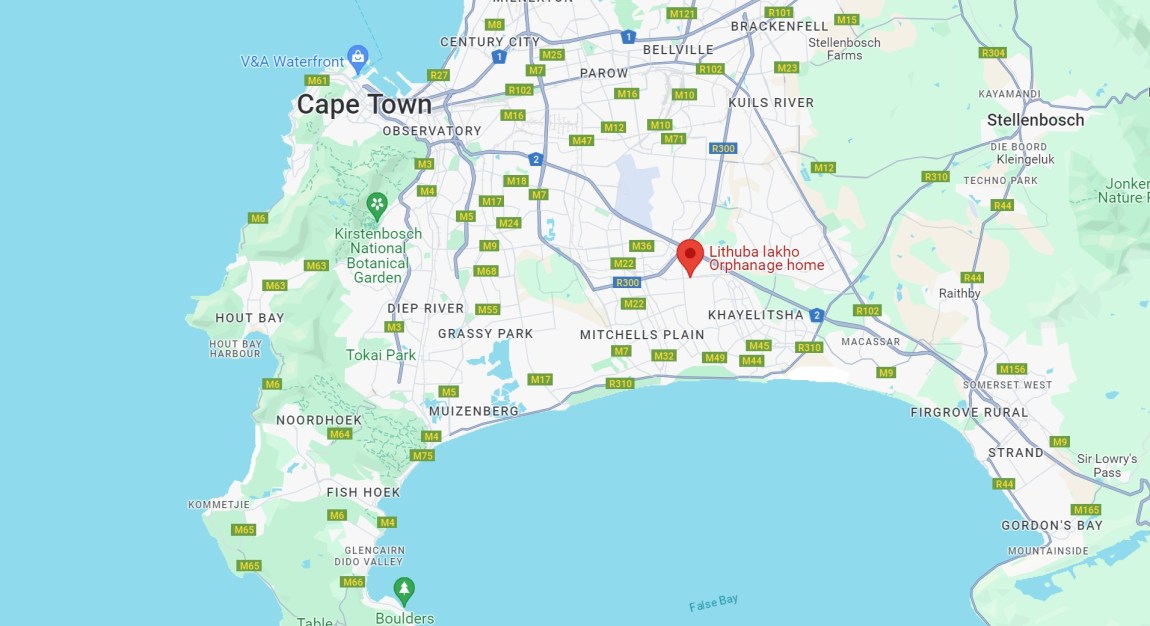
Lithuba Lakho Orphanage, Cape Town
The Orphanage applied to Franciscan Aid explaining:
‘Children in Khayelitsha Township Schools have to supply their own materials; such as crayons, pencils, school bags as well as paying a small sum towards their education.
Toys, games and books to help the development of these distressingly, needy children. Clothes are required for all the children, from babies to teenagers. Painting, decorating and maintaining the orphanage will provide a more pleasant environment for these children.’ Franciscan Aid were able to give support
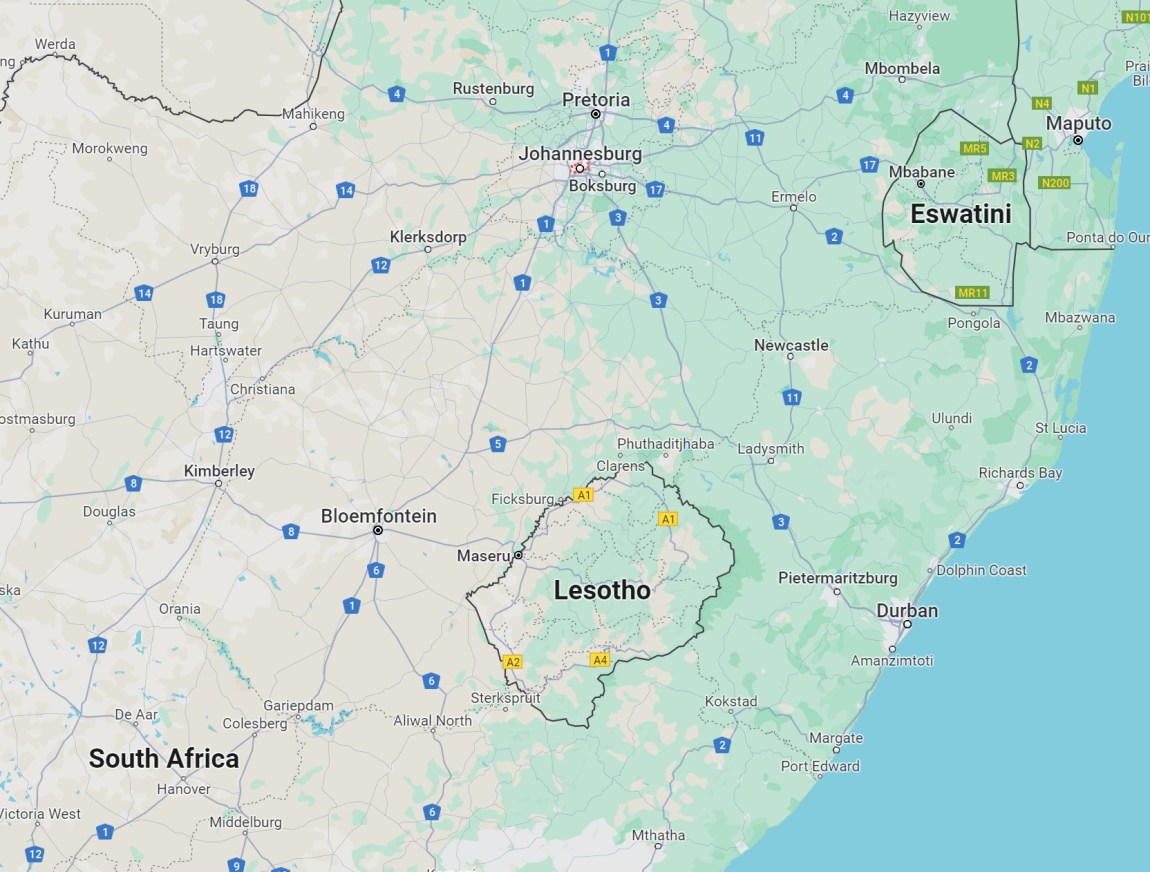
Johannesburg 2019
Franciscan Aid received a very different request to fund Persona Dolls. Persona Dolls are large, soft bodied dolls used to help young children to talk about difficult issues.
The Early Years Practitioner develops a character profile – the ‘persona’ of the doll – and by introducing the doll to groups of children, encourages them to develop empathy for the doll and open up about issues which affect their lives. This method has been shown to be highly effective in practice here in Britain and in South Africa.
In South Africa the dolls are used to help children to come to terms with fears, anxieties and loss in communities where HIV/ Aids is still subject to the kind of stigma which silences them into helplessness. Approximately one in five young children has been orphaned by the virus. The highest incidence of HIV transmission is amongst young people, teenage girls being the most vulnerable.
The young children of ten rural pre-schools will be encouraged to develop empathy for the doll and begin to talk about issues which affect their lives. This is a proven cathartic process which helps children to come to terms with fears, anxieties and loss in communities where HIV/ Aids is still subject to the kind of stigma which silences them into helplessness. The ‘relationship’ the children form with the doll is precious to them and enables many previously shy or withdrawn children to speak openly.
The training process itself is helpful to the teachers’ understanding of the children’s feelings and encourages greater listening skills. In many rural pre-schools there may be up to thirty young children.
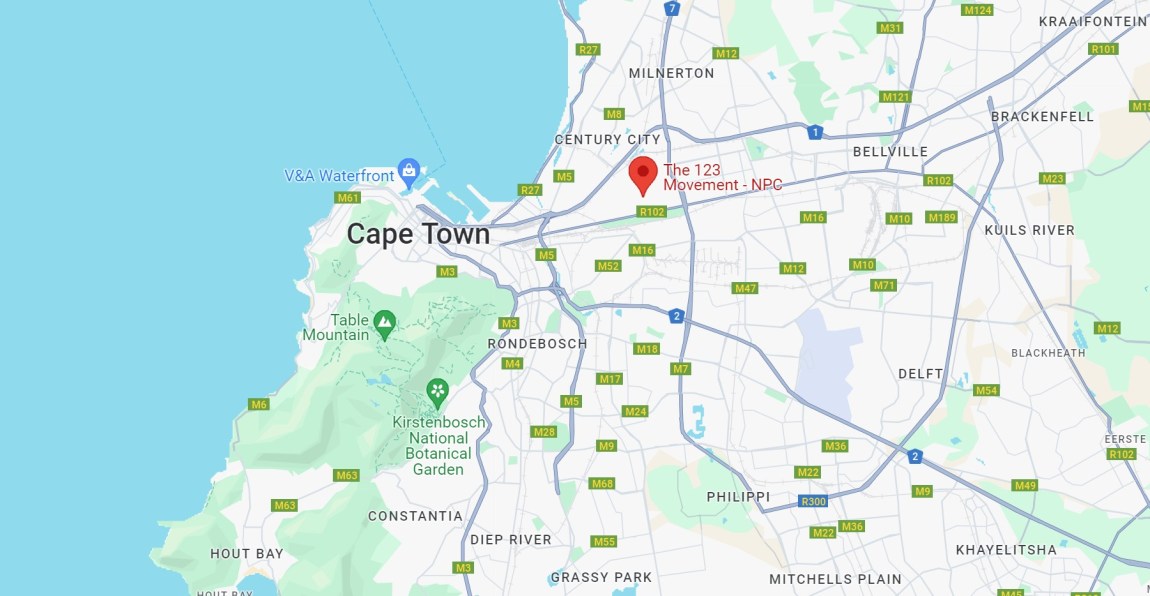
123 Movement, Factreton, Cape Town
This ambitious movement applied to Franciscan Aid in 2023. There were Tertiaries working with the movement. Franciscan Aid were very pleased to help support their work.
‘The 123 Movement feeds; educates; economically empowers; and develops those who are plagued by the injustices of their communities. We are a people driven by hope and are agents of change in the community of Factreton / Kensington and beyond.
123 reported:
The following challenges are prevalent in the Factreton / Kensington area: 1) Hunger 2) Illiteracy 3) Unemployment 4) Underdevelopment Known as Ward 56 and according to the census 2011, the area of Factreton / Kensington consists of predominantly coloured people. Only 48% of this population (aged 20 years and older) has completed Grade 12 (the final schooling year). Almost 50% of household incomes in the area are R3200 or less and from the total population of residents in Factreton and Kensington, the unemployment rate averages a staggering 65% (2011, Census). With the recent impact of Covid 19, these numbers have drastically increased. Factreton is particularly notorious for its gang violence, domestic violence, substance abuse, and property crime, including house break-ins and car theft. There are three gangs that operate across the Factreton and Kensington area: The Nice Time Kids, who operate predominately in ‘Die Gat’ (The Hole); The Wonder Kids, who operate predominately in Factreton; and the Americans, who operate predominately in Kensington. Prison Gang influence also has a strong hold and plays a major role in crime within the area. Turf war is prevalent especially in Factreton, stronghold to two rival gangs. The 123 Movement differs from other non-profit organisations in the area, whereby, we focus on the holistic development of the individual. We meet the direct needs of those hungry, and we take the individual through a process of education and upskilling in the hope of bringing out their full potential to be well rounded human beings, able to economically sustain themselves, their families, and their community in this 21st Century.
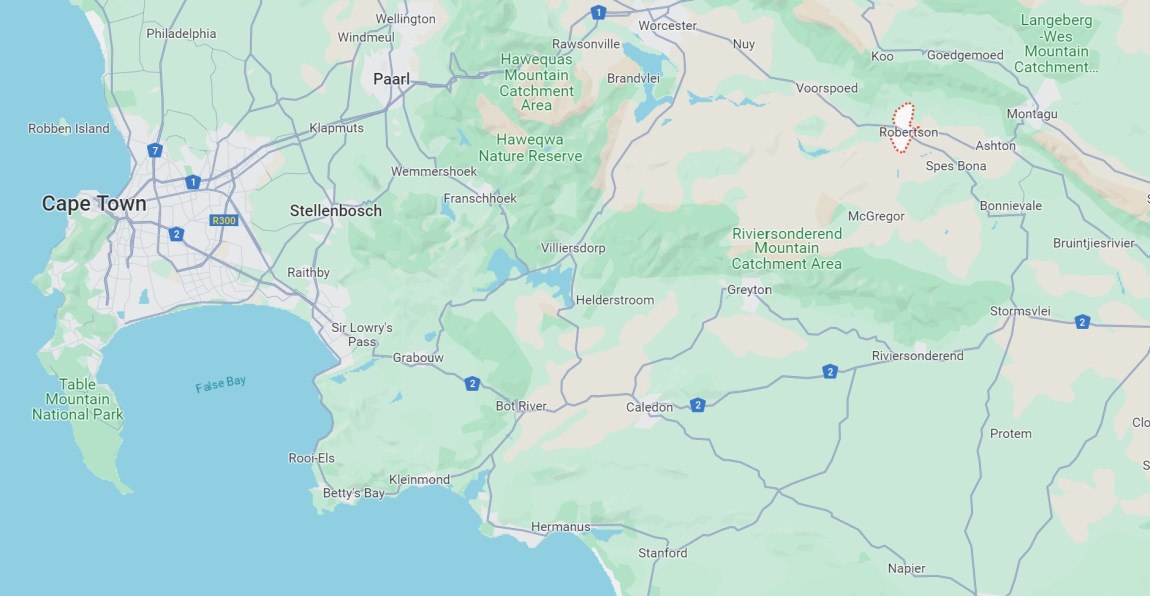
DeVilliers Primary School, Robertson Township, Western Cape
Applied to Franciscan Aid and were able to buy White Boards for their classrooms.
 Franciscan Aid