
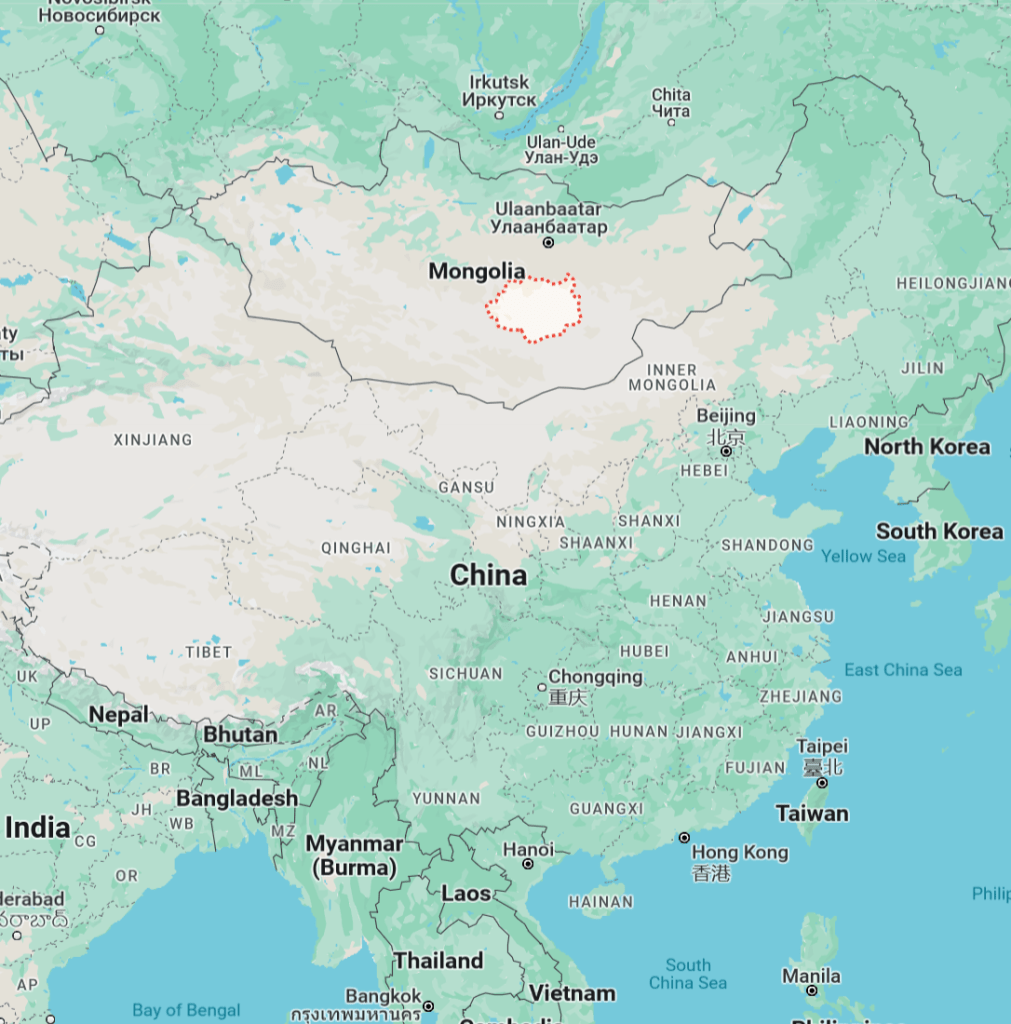
In 2011,2012 and 2017 Franciscan Aid supported this project in Mongolia which aimed to develop and enhance pit-wells in the Gobi desert supporting the lives of semi-nomadic families and their livestock. The area has been adversely affected by climate change which has led to several drought years. Water is more precious than gold here.
The pit-wells are a local resource, essential during the winter months (October to May). Their availability means there is a reduction in both soil erosion and the depletion of vegetation during the winter, leaving better pasture support for the summer.
The 2017 report from the project says:
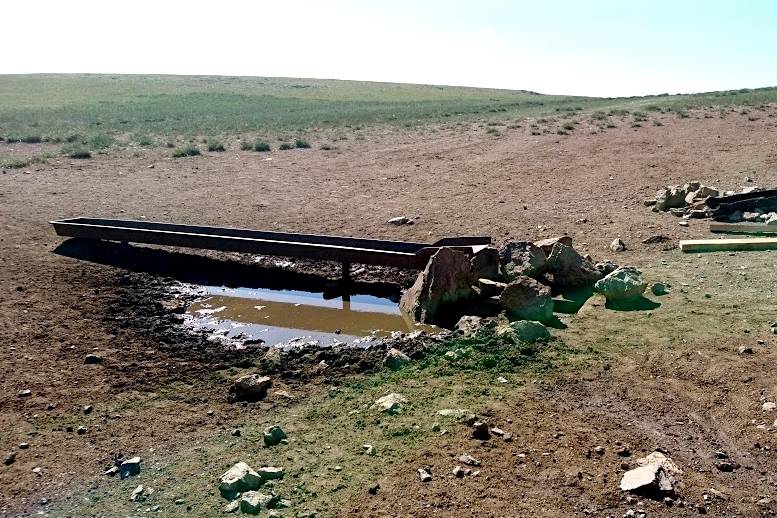
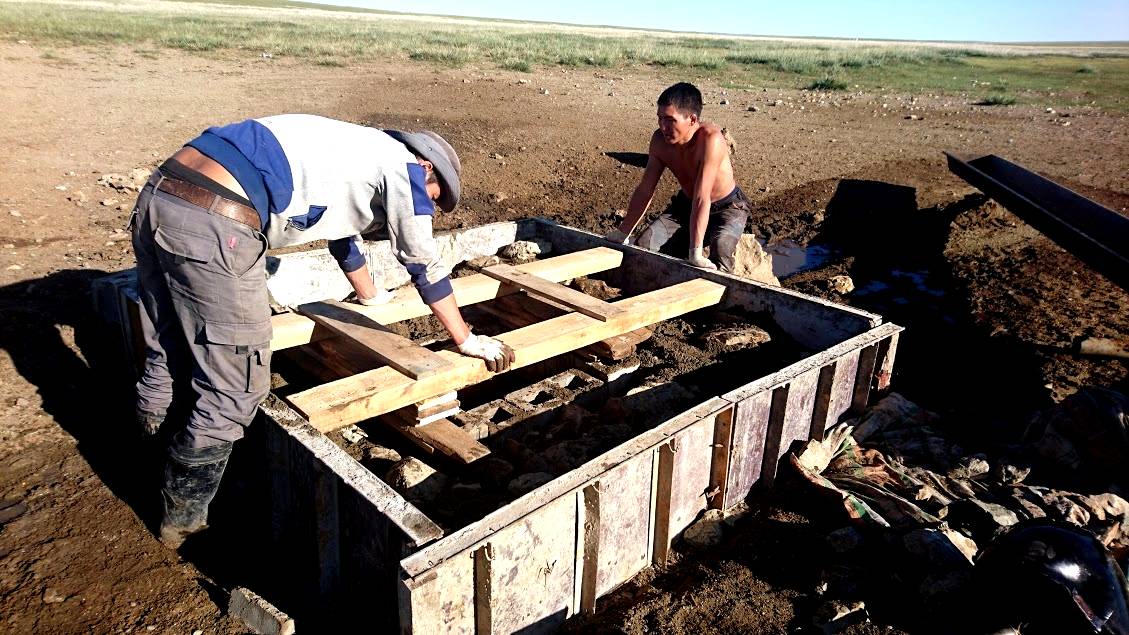
‘recently in Erdenedalai soum, Dundgobi province, inspecting a group of wells that were part of several being renovated in the area. He sent back some pictures that clearly illustrate the extent of work involved, while they also convey how vast and isolated the landscape is where these wells play such an important role.’
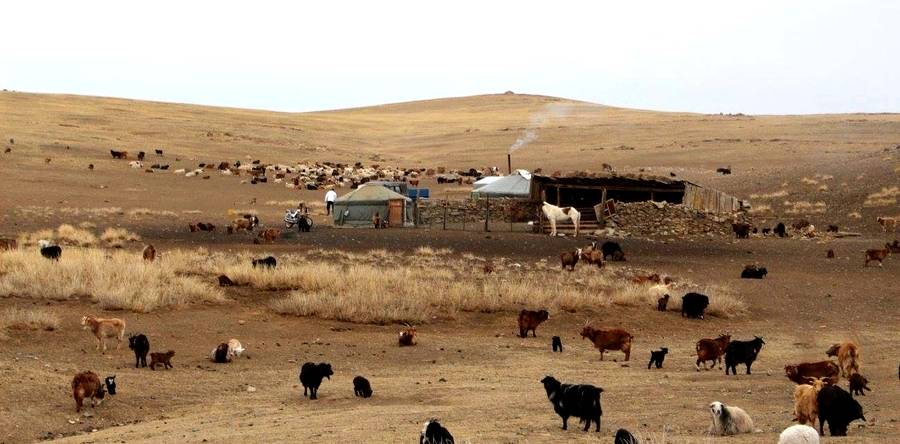
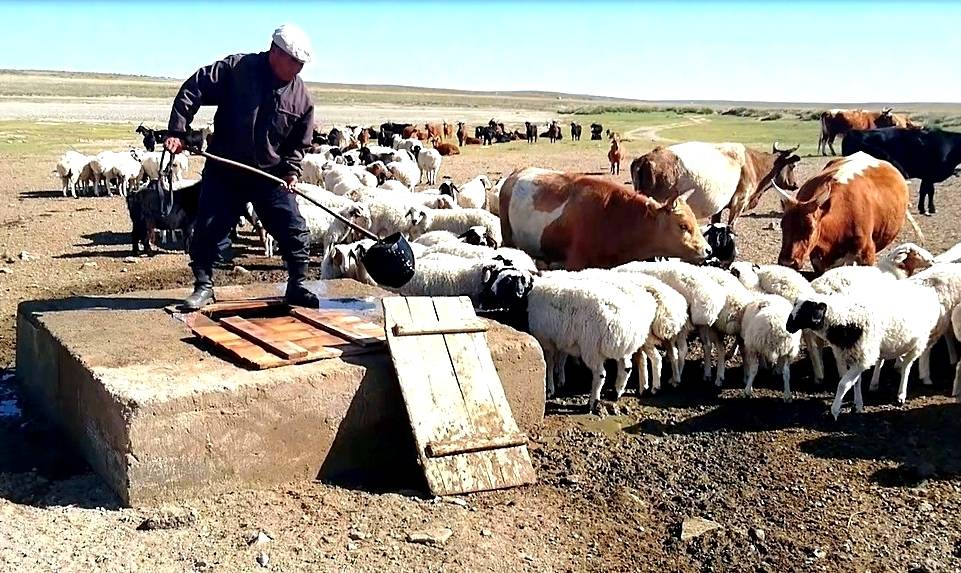
Top left: The herd out to pasture
Middle top: An example of a disused pit-well in great need of refurbishment
Top Right: Work in progress rebuilding the well head. This, becasue it is concrete will last for many years and minimise the ingress of debris, also reducing damage from flash flooding and evaporation from summer heat.
‘With news that around 15 million newborns were added to the national livestock population during the recent birthing season, that’s another 15 million muzzles to water. It’s not certain what the end-of-year 2016 livestock census amounted to or how this was affected by dzud losses, but it’s likely that the summer will see more high levels of livestock concentrations similar to the last two years. It’s hoped that another drought will not also take place, but they are becoming more frequent, so our wells continue to help meet this essential need.’
WHAT IS A DZUD? A natural phenomenon, unique to Mongolia, arising from summer drought followed by heavy snowfalls combined with extreme cold, resulting in insufficient grazing pastures and livestock mortality. The usual peak period for livestock death is February to April.
 Franciscan Aid