The Brotherhood of the Ascended Christ was started in 1877 based upon the vision of Bishop Westcott, initially under the title of the Cambridge Mission. Westcott’s vision was for an Anglican community of celibate brothers from Cambridge University to set down roots along the banks of the Yamuna River in Delhi, and there to build up the native Indian church, until such a time that the Indian church could take over leadership of the Brotherhood itself. Within this vision was a special emphasis on educating India’s Christian community, and fostering theological exchange between East and West as the church developed. The initial mission was radical in two primary senses: first, in advocating for the development of a distinctly Indian indigenous church; secondly, in setting down roots in Delhi, a city with very few Christians, which had only 20 years prior seen a massacre of all its Christians. Under the motto of “For My Sake and the Gospel’s,” the work of the Brotherhood began.
From these bold beginnings, the members of the Brotherhood worked tirelessly in Delhi. They were instrumental in establishing St. Stephen’s Hospital, one of Delhi’s most respected medical institutions. The Brothers were also key figures in pioneering the unification of several churches (Anglican, Presbyterian, Baptist, etc.) into the Church of North India, the denomination to which the Brotherhood now belongs. C.F. Andrews, the famous Indian Independence Activist and close friend of Gandhi, came to India to serve the Brotherhood, and remained a lifelong friend of the Brotherhood even after he left to pursue India’s independence full time. In 1988, the Brotherhood achieved its goal of Indian leadership, with the election of the first Indian head of the Brotherhood. Now, all of its members are Indian in origin. Today, the Brotherhood continues to take a leading role in the Church of North India, education, and most of all, service.

Franciscan Aid has worked with the Delhi Brotherhood Society. The Brothers have been running Deebandhu School for many years for students up to the age of 16. In 2016 they were allowed by the India Education authorities to extend their school to included students up to 18yrs old to study A Levels. When the new class rooms were near completion Franciscan Aid was approached to fund 70 desk/table sets and 10 computer tables. The school buildings are not only used for the students at the school. When school is finished each day, the buildings are used by community groups who help students who have missed out on education.
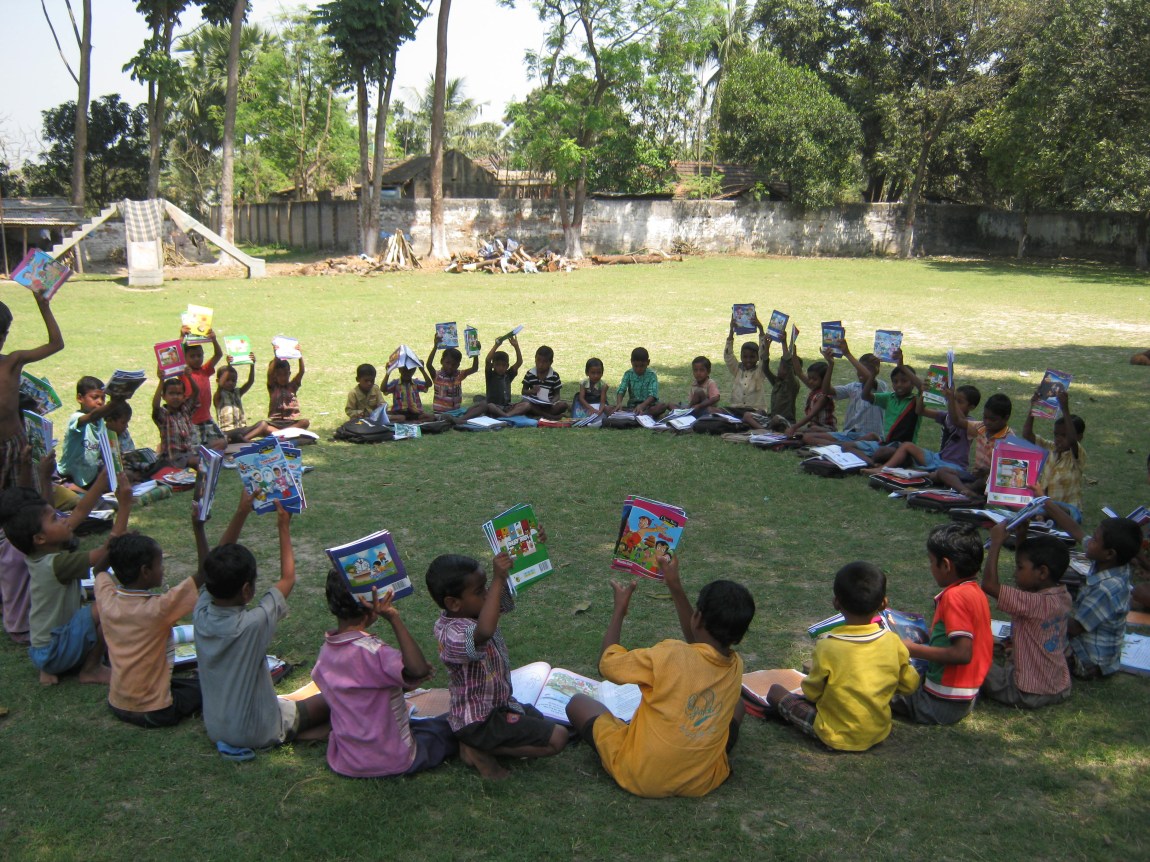
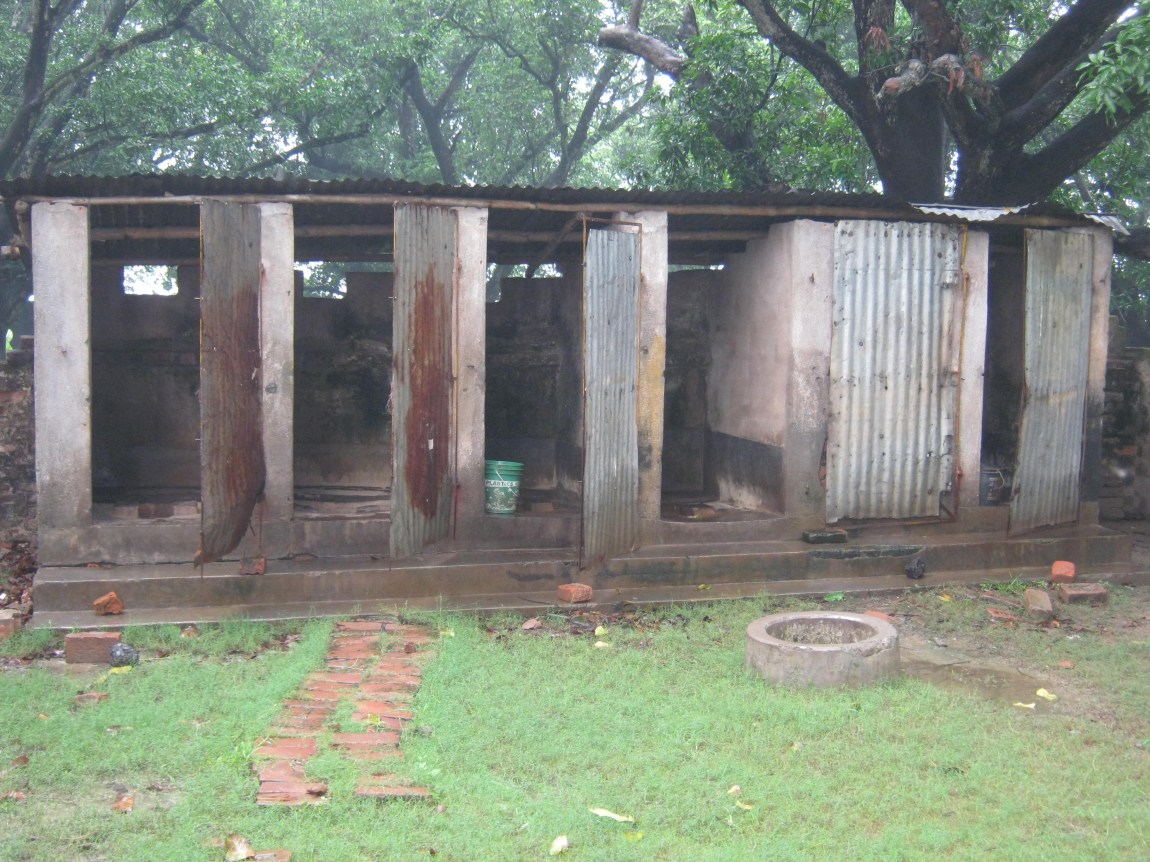
The Brothers also run a hostel because some of the boys live far from any schools so staying in the hostel enables them to attend government schools. Some of the families are unable to afford to feed their children properly, By attending the hostel they get the advantages of a good diet and educational opportunities. Because of the subsidies the poor families are able to afford to send their boys to the hostel. Franciscan Aid has been able to grant funds to allow the hostel to provide a good diet and other benefits to the boys. One such application was for the refurbishment of the toilets.
One of the Brothers wrote to Franciscan Aid – Prabodh Bal Niketan School Bareilly, I need to tell you that the school is established by my mother for poor children in the nearby villages and domestic servant’s children in the vicinity. Now this school is housed in a bungalow left in my inheritance. The school is administered in partnership with Delhi Brotherhood Society which gives it an annual; grant towards the stipend of the teachers. The children are admitted in Nursery at 4 years of age and undergo studies till 14 years. They can come to Deenabandhu School for higher education. The school needs good green board, new desk and chairs for classroom and sewing machines for girls to learn vocational skills. Franciscan Aid were able to support these needs.
The Brothers also run a Night Shelter for street boys. They cook them a meal each night. They applied to Franciscan Aid for funds to buy a 10 litre pressure cooker which would be more efficient as regards fuel use. They were using calor gas rings so will save on gas and the number of deliveries arranged. It would also save time in meal preparation

 Franciscan Aid