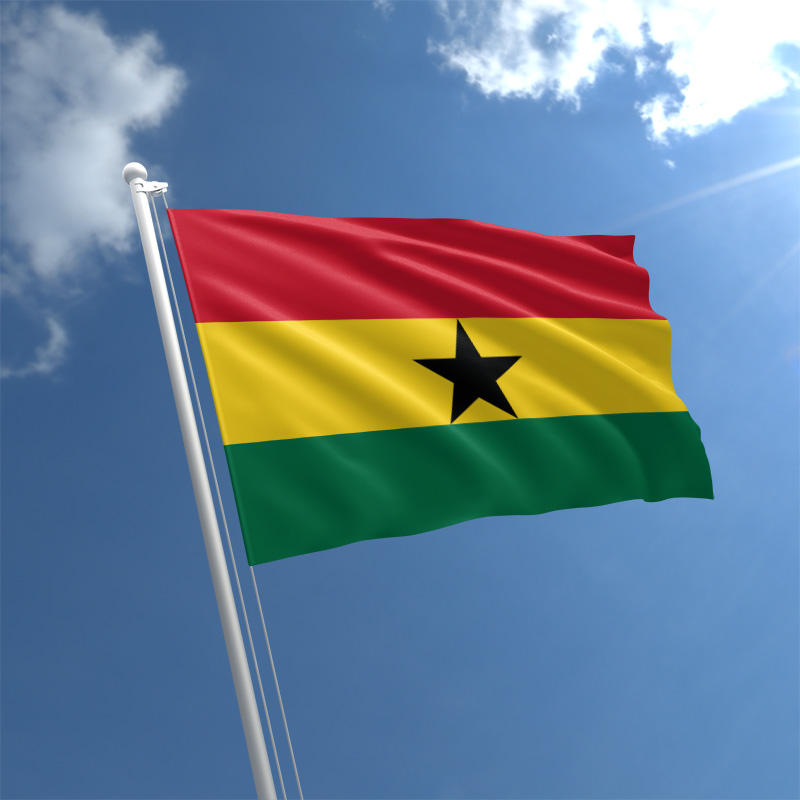
An application for a Water Bore Hole and medical supplies in 2018 stated:
‘this project will have enormous impact on the rural Subiri community in Bibiani in the Anhwiaso Bekwai District of the Western Region of Ghana. This project will change the life of poor and vulnerable rural people of Subiri to have basic medicine and good drinking water to be able to live healthy and reduce child and infant mortality also the aged.’
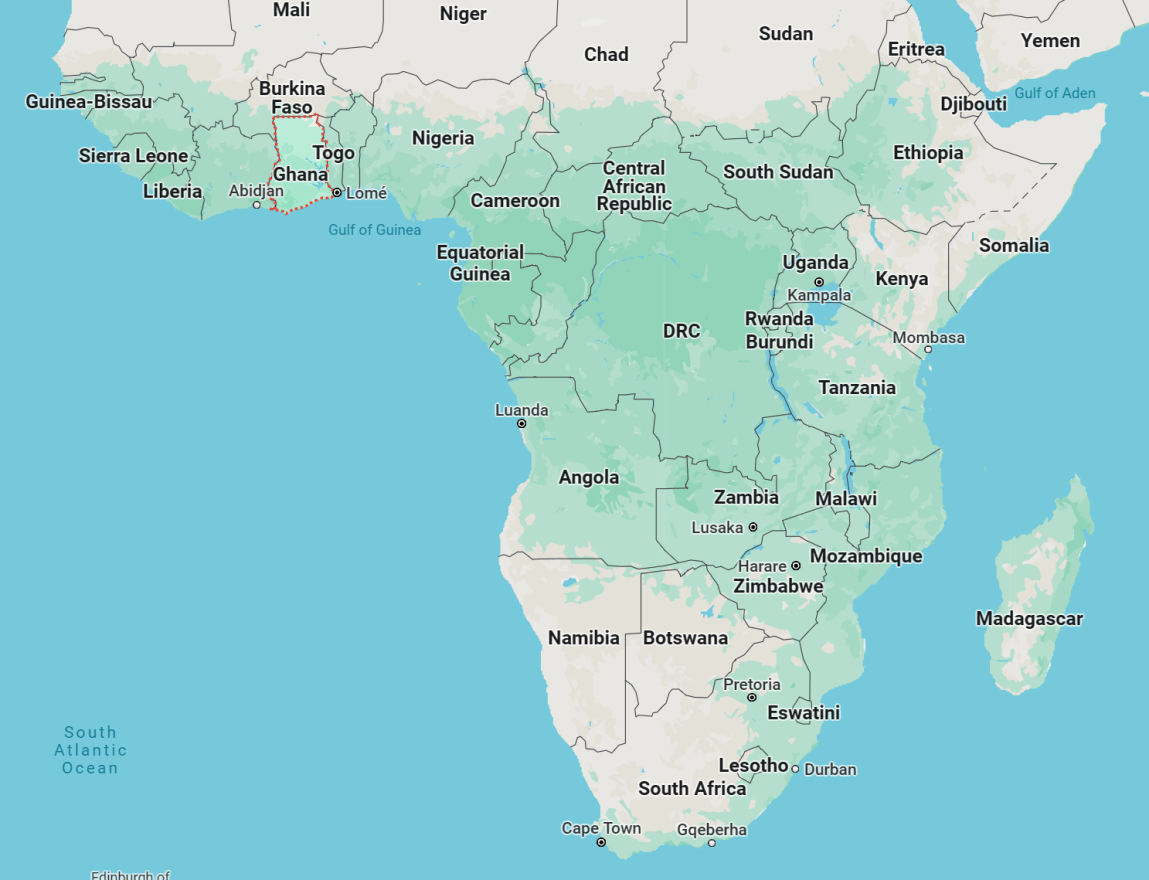
The application continued:
‘We hope to improve the health of the community by providing disease control and prevention programmes aimed at addressing stunting, wasting and anaemia within the population, controlling malaria, skin diseases and other opportunistic diseases as well as managing traumas and other injuries.
This proposal is designed to provide free medical services for community in Subiriwhere health care is very rare.
Record available at the western Region District office indicates that the villages with a population of about 11,000 with almost half of which are children are plagued a myriad of health problems. According to this source, the common ailment usually reported at the health post which serves the community, cholera, Bilharzias, Buruli ulcer as well as malaria has been the main causes of deaths and other complications among children in the area. The community of Subiri lacks a whole lot of social amenities like portable water, health care facilities, schools, electricity etc. making their livelihood very difficult and a source of worry.’

Franciscan Aid was able to support them.
The Early Childhood Intervention Centre for Children with Disabilities.
Traditionally a disabled person is seen as a Devil Child, a Spirit Child expiating the sins of an ancestor who had committed some crime. The ancestors had sent the child to the family as a penance for this crime and the wisest course of action for any family with such a child is to hide it away from the public eye. So such children were and often still are hard to detect. Advocacy groups were gradually able to establish themselves in villages. Bit by bit, parents and their children began to attend the sessions where they were introduced not only to the idea that their child was not a devil child but also that both they and the child had rights in society. It became apparent that parents and children from surrounding villages needed to come together, to see others bearing the same social stigma.
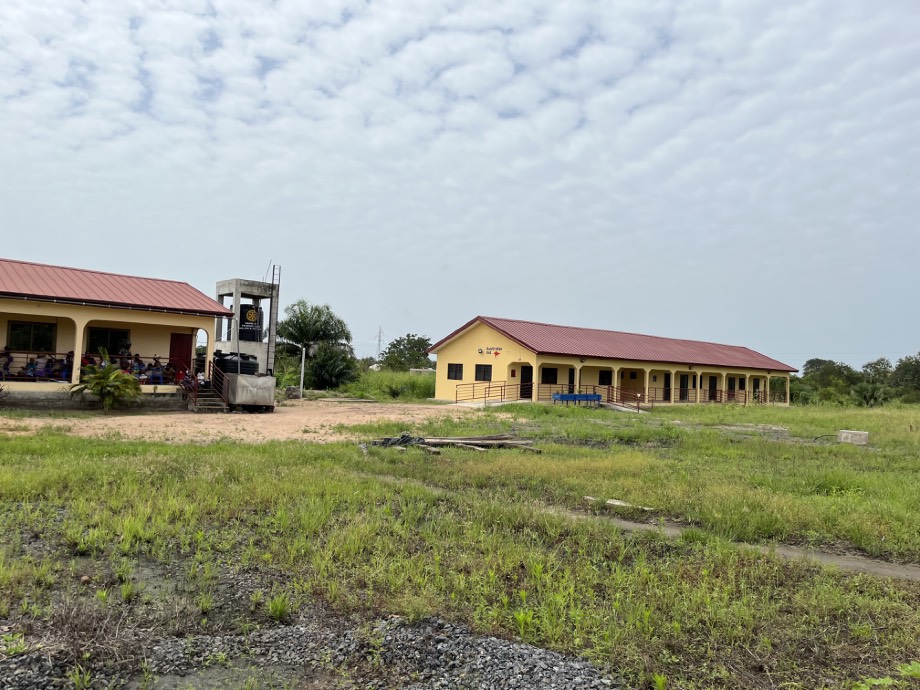
In February 2019 a Centre was opened. The Centre was to provide supportive, caring, teaching and learning for those with disabilities. A 40ft container was shipped from Yorkshire to Ho, Ghana carrying wheelchairs, frames of all sorts, crutches for the new Centre. Meanwhile the hospital in Ho was newly designated as a Teaching Hospital and as the very first national cohort of therapists completed their training they were sent to Ho to begin work. Heads of Speech and Language therapy and Physiotherapy were appointed. Mothers and their children now had the confidence to come to the Centre without fear were seen by the visiting therapists and then invited to sessions at the hospital where more intensive work could be carried out.
Franciscan Aid was approached:
‘The Centre is built about 100 yards from the road and the only path linking the two is a narrow rough track which was not easy when the land was dry but presents a severe challenge now that the land is wet. Most of those using the path are either disabled themselves or are in charge of a disabled child. Now that there is assistive equipment, there are wheelchairs and walkers which need to use the path. There are also those who have to be carried from a taxi to the Centre. What is needed is an access road plus turning circle for vehicles so that all those who have come to depend on the Centre can arrive and depart. ‘
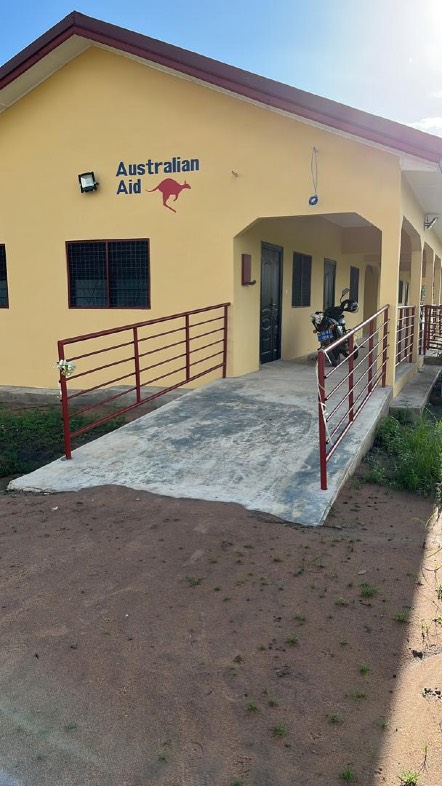
In 2020, Franciscan Aid was able to support the construction of a road/driveway to the resource and assessment Centre.
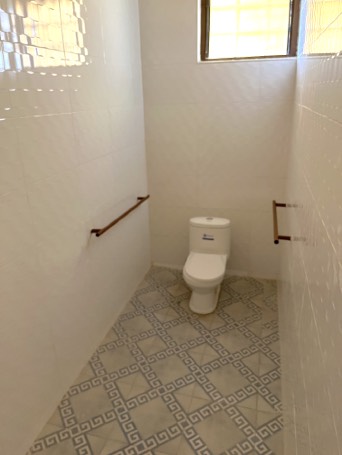
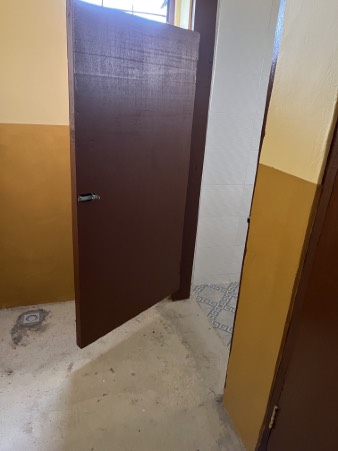
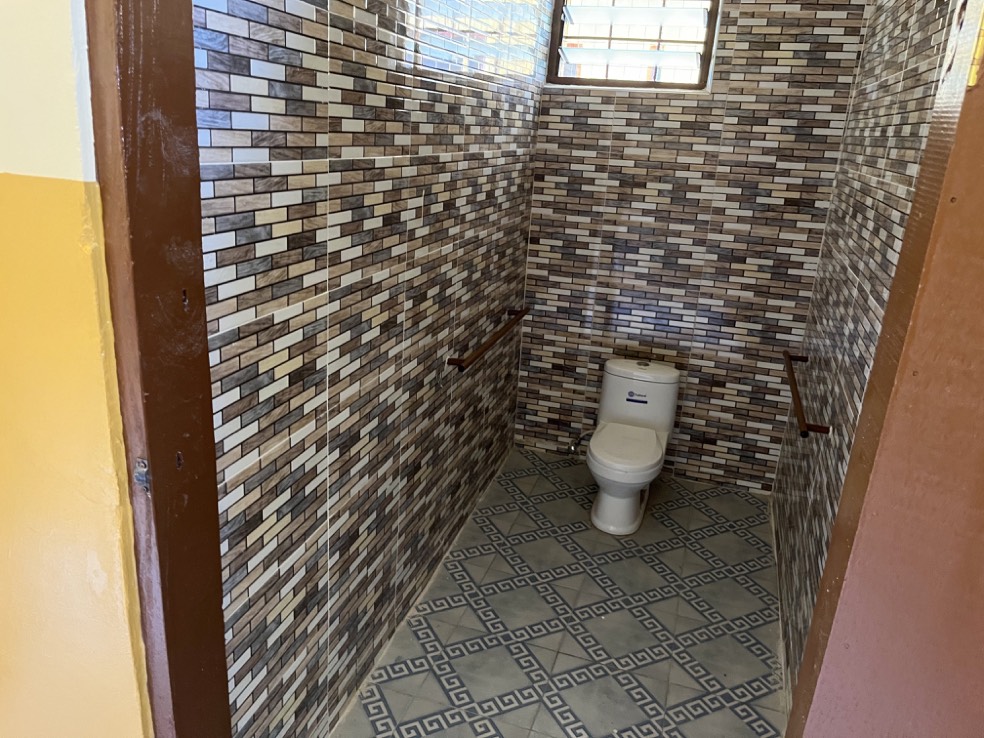
In 2021 Franciscan Aid continued their supported with the construction of the disability-friendly toilet facility and water tower with a tank for the Early Childhood Intervention Centre (Nursery and Kindergarten block) to ensure the Centre has water throughout the year. This helps greatly in solving water and sanitation needs of the children at the Centre. The Centre was able to buy a Polytank, the support tower and then connect to the Centre. Water was stored in the tank and replenished by either rainwater or water from a nearby stream.
It is hoped that the Centre will provide education for both able and disabled so that they learn and grow together irrespective of disability. Only in this way will be possible to begin to break through the prejudice which has fed the rejection faced by the disabled. The Centre wants to give them the chance to contribute to society alongside their peers.
 Franciscan Aid